

Latest
Story
08 September 2026
At COP17 in Mongolia, Cameroon’s UN Resident Coordinator makes the case for financing land restoration and food systems
Learn more
Story
05 August 2026
Burundi Delegation Explores Cameroon’s Approach to Refugee Inclusion Through South-South Cooperation
Learn more
Speech
21 July 2026
VIDEO MESSAGE ON NELSON MANDELA INTERNATIONAL DAY
Learn more
Latest
The Sustainable Development Goals in Cameroon
The Sustainable Development Goals are a global call to action to end poverty, protect the earth’s environment and climate, and ensure that people everywhere can enjoy peace and prosperity. These are the goals the UN is working on in Cameroon:
Story
27 February 2026
United Nations Cameroon Country Team Annual Retreat 2026: A Moment of Strategic Renewal
From 3 to 5 February 2026, the United Nations Country Team (UNCT) in Cameroon gathered at Hôtel United in Yaoundé for its annual retreat. More than a routine institutional gathering, the retreat marked a deliberate pause—an opportunity to reflect, recalibrate, and renew collective ambition at a critical juncture for both Cameroon and the UN system.Setting the SceneCameroon stands at a complex crossroads. The country continues to navigate the aftershocks of the COVID-19 pandemic, global geopolitical tensions, volatile commodity markets, and tightening fiscal space. Security challenges in the North West, South West, and Far North weigh heavily on communities, while poverty and inequality remain pressing concerns. Yet, amid these difficulties, opportunities are emerging: sustainable food systems, inclusive industrialization, renewable energy expansion, investment in human capital, digital transformation, and climate adaptation.The retreat provided a safe space to confront these realities and to position the UN as a catalyst for systemic and sustainable change and daring to dream of envision what comes next. Voices Around the Table The opening day brought together representatives from the Government of Cameroon, technical and financial partners, and members of the diplomatic corps. Their presence underscored the importance of collaboration and reinforced a central message: the UN’s work in Cameroon is inseparable from a broader ecosystem of national and international actors committed to shared development goals.Their presence underscored the importance of collaboration and reinforced the idea that the UN’s work in Cameroon is part of a broader collective effort. Their participation reinforced a central message: the UN’s work in Cameroon is inseparable from a broader ecosystem of national and international actors committed to shared development goals.Over three days, UNCT members engaged in deep conversations. They asked hard questions: How can the UNCT sharpen its collective impact and avoid fragmentation? How do we ensure that our work truly reaches those most in need? How do we prepare for the next Cooperation Framework to be more systemic, integrated, and future-oriented? Strategic Commitments for 2026The UNCT agreed on a focused set of time-bound priority actions for 2026, each assigned clear leadership, deliverables, and monitoring mechanisms under the UNCT governance structure.Key commitments includeThe UNCT pledged to:• Mobilize and diversify resources through innovative financing instruments and stronger public private partnerships.• Accelerate digital transformation and UN2.0 principles, integrating AI, data, and foresight into programming and operations. • Strengthen internal and external coordination, supported by clear performance indicators and enhanced Delivering as One mechanisms.• Prepare strategically for the next Cooperation Framework (2027–2031), anchored in the 5Ps: People, Prosperity, Peace, Planet, Partnership.• Promote inclusion and gender equality.• Build staff capacities in areas like AI and strategic foresight.• Enhance strategic communication, storytelling, and visibility to strengthen credibility and stakeholder trust.To ensure accountability, these commitments will be monitored through a dedicated reporting framework, under the oversight of the UNCT and with operational follow-up by the Programme Management Team (PMT).A Human Centered VisionBeyond frameworks and strategic matrices, the retreat placed people at the center of the conversation. Discussions focused on addressing structural drivers of vulnerability, ensuring sustainable humanitarian transitions, and positioning youth and women not merely as beneficiaries, but as agents of transformationon how to address the root causes of vulnerability, ensure humanitarian transitions are sustainable, and place youth and women at the heart of change.As one participant reflected: “This retreat reminds us that our work is not only about numbers—it is about lives, hopes, and futures.”Looking Ahead The Yaoundé retreat concluded with renewed clarity, collective ownership, and strengthened governance mechanisms. The commitments made will guide the UNCT through 2026 and lay the foundation for the next Cooperation Framework. In a context of global uncertainty and national complexity, the retreat reaffirmed a simple yet powerful conviction: Cameroon’s path toward sustainable emergence must be built collectively—with resilience, accountability, solidarity, and a steadfast commitment to leave no one behind.
1 of 5

Story
25 March 2026
In Méri, Shared Dialogue Rebuilds Peace
In Cameroon’s Far North, where insecurity has displaced thousands of families, reconciliation begins with dialogue. In Méri, thanks to a project supported by the European Union and implemented by UNICEF, IOM, and partners, conversation opens the path to lasting peace.In a region where insecurity has displaced more than 453,000 people, including 385,000 children, peace begins with dialogue. In Méri, within a safe space supported by the project “Supporting the reintegration and reconciliation of former associates of non-state armed groups (NSAGs) to strengthen social cohesion for peace and sustainable development in Cameroon’s Far North”, funded by the European Union, women, men, and youth gather weekly with community leaders and former associates. In a context marked by poverty (74.3%), scarce resources, and fragile coexistence with more than 7,000 former associates, dialogue becomes a tangible tool for reconciliation.Circles form every week. Women, men, young girls, young boys, community leaders, and former associates sit together. For many, this is an unprecedented gesture. “Just agreeing to meet together is already an impact,” says Abdou, SBC Project Manager at ALDEPA, a local implementing partner. In a region scarred by years of violence and mistrust, these dialogues create a rare space, one where everyone can speak, listen, and understand each other. Words shared in the circle reveal deep wounds: language barriers, stigma, pressure on farmland, feelings of exclusion, the roots of social fracture emerge without filter. “They didn’t talk to each other. Everyone stayed in their corner,” Abdou recalls. Naming the problems becomes the first step toward reconciliation. Together, participants analyze causes, measure consequences on coexistence, and propose shared solutions.Gradually, things change. Youth suggest joint sports and cultural activities. Others commit to learning each other’s language to break mistrust. Community actions, such as clean-up campaigns or intergenerational meetings, become opportunities to work side by side. “Today, we greet each other. We talk. We go out together to carry on our activities,” participants share. These simple gestures, once unthinkable, are the first signs of peace taking root. The meetings are not isolated. Every week, targeted discussions are held with different groups: youth, women, men, adolescents. The goal is clear: maintain open communication, prevent tensions, and strengthen the sense of shared belonging. “Before, people saw each other as strangers. Today, they understand the importance of having the other by their side,” a community leader proudly testifies. Beyond words, community dialogue lays the foundation for other transformations: economic empowerment, protection, and prevention of re-recruitment. “Without peace, nothing can really work,” he reminds.This dynamic is part of a broader approach to community stabilization and reintegration, led by UNICEF and IOM with local NGOs such as ALDEPA and ARDHU in several localities of the Far North (Mora, Mémé, Kolofata, Gance, Tolkomari, Hamchide, Koza, Mayo Moskota, Fotokol, Makary, Méri). The objective: strengthen community acceptance, prevent violence, and create an environment conducive to sustainable reintegration. These dialogue spaces also play a key role in child protection in a region where 239 grave violations against 173 children were confirmed in 2023, a 53% increase compared to 2022. They help identify vulnerabilities, strengthen community protection mechanisms, and prepare communities to welcome children and youth affected by conflict, including nearly 4,000 former associates (1,340 of them children) returned through informal channels outside the official DDR process.The reality on the ground underscores the scale of the challenge: about 3,000 people are still in rehabilitation at the Méri center, and returns continue. Here, peace does not take the form of a monument or a written agreement. It is seen in a shared greeting, a football match, a learned language, a word finally heard. And thanks to the commitment of the European Union and its partners, every dialogue circle becomes a promise: a promise of a future where host communities and former associates move forward together, united by respect, dignity, and the hope of lasting peace.
1 of 5

Story
27 February 2026
Cameroon and the United Nations: Building the Next Cooperation Framework Together
In November 2025, Yaoundé became the stage for an important moment in Cameroon’s journey toward sustainable development. For four days, from 11 to 14 November, government officials, United Nations representatives, technical experts, and partners gathered to co design the future: the UN Sustainable Development Cooperation Framework (2027–2031).This was not just another workshop. It was the culmination of months of strategic dialogue between the Resident Coordinator’s Office and the Ministry of Economy, Planning and Regional Development (MINEPAT). The shared objective was clear: the new Cooperation Framework must be transformative, results-oriented, and fully aligned with Cameroon’s National Development Strategy 2020–2030 (SND30), the Sustainable Development Goals (SDGs), and the broader UN reform agenda.Together, they agreed that the new framework must be more than a list of activities—it must be a transformative instrument, aligned with Cameroon’s National Development Strategy 2020–2030 (SND30) and the Sustainable Development Goals (SDGs).A Workshop of Purpose and Preparation The atmosphere was one of focus and collaboration. Thanks to careful robust preparatory work—including methodological tools, templates, analytical reviews, and cross analysis of key documents evaluation findings—the participants were able to focus could concentrate on substance rather than process. Discussions were guided by core principles: Guided by principles of human rights, gender equality, leaving no one behind, and the Humanitarian–Development–Peace Nexus humanitarian development peace nexus, the discussions flowed with clarity and purpose and Results-based management. The emphasis was placed on coherence, joint ownership, and measurable impact.Facing the RealitiesThe workshop addressed structural challenges candidly, including The workshop did not shy away from hard truths. Presentations highlighted persistent challenges:•Slow industrialization and limited job creation, especially for youth.•Gaps between education and labor market needs.•Weak accountability and coordination in governance. The evaluation of the 2022–2026 Cooperation Framework highlighted important lessons: while progress was achieved, coherence, joint programming, and accountability mechanisms required strengthening.The conclusion was clear—this new cycle must be different Lessons from the evaluation of the 2022–2026 Cooperation Framework were also candid: while progress was made, coherence and joint ownership needed strengthening. The message was clear—this time, the framework must be built differently. Defining the Strategic PrioritiesBy the end of the workshop, a shared vision had emerged. Three strategic priorities were validated as the pillars of the new framework:1.Human Capital, Social Inclusion, and Community Resilience – ensuring equitable access to health, education, and social protection.2.Economic Transformation, Food Systems, Decent Jobs, Climate and Clean Energy – driving competitiveness, diversification, and a green transition that creates opportunities for youth and women.3.Governance, Peace, Stability, and Development Leadership – strengthening transparency, accountability, and integrated approaches to peace and development. Each priority was anchored in a Theory of Change and linked to a forthcoming Result Framework, ensuring clarity on expected results, indicators, baselines, and accountability mechanisms.4. Particular attention was given to vulnerable groups—youth, women, persons with disabilities, refugees, and internally displaced persons—ensuring their centrality in programming. Each priority was anchored in a Theory of Change, mapping challenges to expected results, and identifying vulnerable groups—youth, women, persons with disabilities, internally displaced people—as central beneficiaries.Looking Ahead As the workshop closed, there was a sense of convergence. Government and UN representatives stood united in their commitment to finalize the framework, develop a robust performance measurement system, and translate the theories of change into Joint Work Plans that will deliver tangible results on the ground.The workshop demonstrated that when Government, the UN, and partners work together with clarity and ambition, transformation becomes achievable.The UN Cooperation Framework 2027–2031 will be more than a plan. It will be a promise: to build resilience, foster inclusion, and ensure that no one is left behind on Cameroon’s journey toward emergence.
1 of 5

Story
25 March 2026
Portrait – Aaron Levis Yongma : une jeunesse qui transforme l’aquaculture au Cameroun
À 30 ans, Aaron Levis Yongma Ngomndji incarne cette nouvelle génération de jeunes entrepreneurs déterminés à moderniser le secteur halieutique au Cameroun. Ingénieur halieute formé à l’École normale supérieure d’agronomie, d’halieutique et de médecine vétérinaire de l’Université de Douala à Yabassi, il s’est spécialisé dans la reproduction artificielle du silure, une expertise reconnue à l’échelle internationale grâce à une certification obtenue auprès de WORLDFISH. Installé à Yaoundé, il consacre son énergie au développement de solutions aquacoles innovantes, durables et accessibles aux jeunes ruraux.À travers SANY FISH SARL, l’entreprise qu’il dirige, il s’investit dans la production d’alevins de qualité, la pisciculture durable et l’aquaponie. Pour lui, l’aquaculture représente un véritable moteur de changement : « un levier puissant d’autonomisation et de transformation sociale, un secteur qui peut nourrir les communautés autant qu’il peut créer des opportunités d’emploi. »Un engagement renforcé par l’appui de la FAO Cameroun L’engagement entrepreneurial d’Aaron a pris une ampleur nouvelle grâce à l’appui de la FAO Cameroun. Cet accompagnement lui a permis de consolider sa ferme avec des infrastructures durables, de bénéficier d’un cycle complet de production subventionné et d’intégrer un système innovant d’aquaponie. Cette intervention, qu’il qualifie de déterminante, a contribué à professionnaliser sa production, à améliorer la qualité de ses alevins, à renforcer ses compétences techniques et à asseoir la crédibilité de son entreprise au niveau national.Aujourd’hui, SANY FISH SARL emploie des collaborateurs, accueille des stagiaires et forme de nombreux jeunes aux métiers de la pisciculture. Par cette démarche, Aaron contribue activement à l’auto‑emploi, à l’insertion professionnelle et au développement local. Il reste convaincu que la jeunesse camerounaise a un rôle central à jouer dans la sécurité alimentaire et dans la transformation des systèmes agroalimentaires.Un modèle pour la Fête de la Jeunesse Pour Aaron, la Fête nationale de la Jeunesse du 11 février porte une forte symbolique : « C’est une reconnaissance du potentiel des jeunes camerounais et de leur rôle dans le développement du pays. »À l’occasion de cette célébration, il encourage les jeunes à croire en leur potentiel, à se former et à saisir les opportunités qu’offre le secteur agro‑pastoral. Son ambition est claire : développer un pôle moderne d’aquaculture et d’aquaponie, et étendre la formation des jeunes à l’échelle nationale.Par son engagement, son leadership et sa vision, Aaron Levis Yongma incarne une jeunesse inspirante, innovante et résolument engagée pour un avenir durable.
1 of 5

Story
25 March 2026
Rebuilding the Basics: Restored Infrastructure Changing Lives in Cameroon’s Far North, North-West and South-West Regions
Cameroon’s crisis-affected regions are shaped by different realities, but they share a common experience of years of disruption that has weakened essential services and tested community resilience. In the Far North, insecurity linked to violent extremism, climate shocks, and displacement has placed immense strain on already fragile health systems. In the North-West and South-West regions, a prolonged sociopolitical crisis has disrupted public services, damaged infrastructure, and interrupted access to education, water, and healthcare.Throughout 2025, UNDP Cameroon’s work across these regions has focused on restoring the basics people rely on most, including health centres, water systems, schools, community roads, public spaces, and other shared social and economic infrastructure. This approach has recognized that recovery and stability begin with everyday needs. In the Far North, access to healthcare has remained one of the most urgent challenges. Many health facilities have been damaged, understaffed, or overwhelmed by growing numbers of displaced families, leaving pregnant women and young children particularly vulnerable. With the support of the UNDP Regional Stabilization Facility (RSF), the rehabilitation of health centres and maternity units has helped bring essential care closer to communities that have gone too long without reliable services.At the Logone Birni District Medical Centre, the impact has been immediate. “From just 10 women initially, we now have over 40 pregnant women seeking care here,” says Nurse Abali. “The water here helps us a lot, not only for the maternity ward but for the whole hospital. You can’t imagine the number of lives you have saved.” For families who had lost confidence in local services, functioning health centres has restored trust and offered reassurance that care would be available when it mattered most.In the South-West, intervention efforts in 2025 have been closely tied to safe water after years of disruption forced many communities to rely on unsafe and distant sources. In Bonadikombo, the daily search for water shaped household routines, health conditions, and economic activity.“We suffered a lot,” recalls Ejobo Eric Ewumbue, Quarter Head of Bonadikombo. “Our wives and daughters would leave the house before dawn just to find water. The lack of clean water was one of our biggest challenges.” With the support of the UNDP Recovery Programme under the Presidential Plan for Reconstruction and Development(PPRD), the rehabilitation of water systems, including solar-powered boreholes, has brought lasting relief. “Now, water is just a few steps away,” says Neh Tabukong, a mother of five. “My children no longer suffer from water-related diseases, and I do not have to spend hours walking to get water. I even have time to run my small business.” Alongside water infrastructure, restored health centres, schools, and public spaces have helped communities regain a sense of normalcy after years of uncertainty. In the North-West, the crisis has left its deepest mark on education. Schools were closed, damaged, or abandoned, leaving thousands of children without safe learning spaces. In Old Town Bamenda, Islamic Nursery and Primary School survived more on determination than on infrastructure after parts of it were set on fire in 2018.“The classrooms were broken, benches dilapidated, and teaching was a daily struggle,” recalls School Manager Mallam Mutari Amisu. “Despite these hardships, parents trusted the school, teachers pushed on, and children showed up every morning. It was tough, but we never gave up.”Today, the school tells a different story. Reconstructed classrooms, a computer lab, improved sanitation facilities, a secure perimeter fence, and inclusive access features have restored safety and dignity to the learning environment. “Our classrooms are now spacious and well ventilated,” says Head Teacher Mrs. Mekwatc Vivian. “Teaching is easier, lessons are more engaging, and enrollment has increased because parents see this as a proper learning environment again.” Together, these efforts reflect UNDP Cameroon’s integrated approach to crisis response, supporting stabilization in the Far North, advancing recovery and development in the North-West and South-West, and complementing wider programmes across the country that strengthen resilience, livelihoods, and inclusive development.
1 of 5

Story
08 September 2026
At COP17 in Mongolia, Cameroon’s UN Resident Coordinator makes the case for financing land restoration and food systems
For farmers, herders and rural communities across Cameroon, degraded land is not an abstract environmental concern. It can affect harvests, incomes, access to water and grazing land, and the ability of communities to withstand climate shocks.Issa Sanogo, the United Nations Resident Coordinator in Cameroon, took that reality to Ulaanbaatar, Mongolia, in the last week of August, setting out an idea Cameroon is already putting into practice at home: restoring degraded land, producing enough food and adapting to climate change are one task, not three.Mr. Sanogo was attending the 17th Conference of the Parties (COP17) to the UN Convention to Combat Desertification (UNCCD), the treaty on land degradation, drought and desertification. He was one of three Resident Coordinators mobilized by the UN Development Coordination Office, alongside Jaap van Hierden (Mongolia) and Karl-Frédérick Paul (The Gambia). Between 23 and 28 August, he took part in around a dozen engagements, including high-level dialogues of the Global Flagship Initiative on food security, a roundtable on livestock herding, resilience and peace, and working sessions with development banks.He worked alongside a national delegation headed by the Ministry of Environment, Nature Protection and Sustainable Development. The Government led discussions on practical solutions to land degradation and drought, presenting its work to restore degraded landscapes, strengthen food production and build resilience in vulnerable communities as an example of how global commitments under the UNCCD can be translated into concrete action at national level. Mr. Sanogo carried those messages further, into discussions with UN partners, development banks and international financial institutions.One agenda, not threeIn every setting, Mr. Sanogo returned to the same argument. Food security, soil health, land restoration and climate action cannot, in his view, be handled as separate problems by separate institutions.“A farmer with exhausted soil, a herder whose pasture has disappeared and a village that has lost its harvest are facing the same problem,” he said. “If we answer with three separate programmes, we get three partial answers. In Cameroon we are choosing to answer with one. That means planning and financing our responses to land, food and climate together, not ministry by ministry.”Resilience to climate shocks, he stressed, depends on food systems that both protect natural resources and create economic opportunities. His example was “ConvergeFood,” a programme supported by the Global Flagship Initiative and aligned with Cameroon’s National Development Strategy 2020-2030. It brings ministries, United Nations agencies, private companies, producer organizations and technical and financial partners around a shared vision for transforming Cameroon’s food systems. The approach is the Government’s own. Cameroon has positioned land restoration not only as an environmental objective but also as a pathway to food security, poverty reduction, climate resilience and sustainable development. Herders, farmers and peaceThe roundtable “Pastoralism for Resilience and Peace” turned to the seasonal movement of herders and their cattle, sheep and goats in search of pasture and water. Unmanaged, that movement can set herders and farmers against each other. Cameroon’s experience, Mr. Sanogo explained, shows that it can instead strengthen climate resilience when supported by appropriate governance.“The movement of herders is not the problem in itself. The absence of rules and dialogue around it is,” he told the roundtable. “When herders, farmers and local authorities agree on how pasture and water are managed, where animals can pass and how disputes are settled, when early warning lets us act before tensions rise, and when cooperation extends across the region, that movement becomes an asset for peace instead of a threat to it.”The case for investmentIn the discussions on agricultural investment and food security, Mr. Sanogo presented land restoration as an economic driver as much as an environmental imperative.“Restoring degraded land is an environmental necessity, but it is also an economic decision,” he said. “Every hectare brought back into production means income for families, jobs and more stable communities. It also makes those communities better able to withstand climate shocks. That is the case we are putting to investors.”In working sessions with the African Development Bank and the Islamic Development Bank, he advanced discussions on financing for land restoration, climate resilience, food security, agricultural value chains and job creation. The talks also explored innovative financing mechanisms for the next UN Sustainable Development Cooperation Framework, the plan that will guide United Nations support to Cameroon’s priorities from 2027 to 2031. The Government pressed the same case at Cameroon’s official side event, presenting national achievements, ongoing restoration initiatives and an ambition to restore millions of hectares of degraded land by 2030. The event was also meant to draw in additional technical and financial partners. No single institution can finance or implement this agenda alone. The Resident Coordinator’s role is to connect the Government’s priorities with the expertise of UN entities and the support of development banks, bilateral partners and the private sector. At COP17, that role gave Cameroon’s initiatives greater visibility: land restoration efforts, territorial approaches to climate resilience and ConvergeFood were presented as examples of United Nations agencies working as one. “The commitments exist. What Cameroon needs now is financing and partners ready to turn them into programmes that people can see in their fields, on their pastures and in their markets,” he said. “Land restoration, reforestation and the transformation of our food systems will not happen without that investment. That is what I came to Ulaanbaatar to advance.”After UlaanbaatarThe Government’s active engagement, accompanied by the Resident Coordinator and the UN Country Team, opened conversations with partners interested in supporting Cameroon’s development ambitions.The test lies in the months ahead: whether the talks with the two development banks mature into financed projects, and whether the integrated approach presented at COP17 is reflected in the Cooperation Framework for 2027-2031. Mr. Sanogo has set his own benchmark. “A conference is measured by what happens after it,” he said. “If this mission leads to restored land, stronger food systems, more jobs and fewer conflicts over pasture in Cameroon, then it will have served its purpose. Our responsibility now is to make sure that international commitments reach communities as programmes that deliver lasting benefits.”
1 of 5

Story
05 August 2026
Burundi Delegation Explores Cameroon’s Approach to Refugee Inclusion Through South-South Cooperation
This question was at the heart of a South-South and Triangular Cooperation (SSTC) learning exchange that brought a high-level delegation from Burundi to Cameroon. Through discussions with government institutions and visits to community-based programmes in the East Region, participants examined approaches that strengthen public services, expand social protection, and support long-term resilience. "Food assistance is most effective when it opens the door to opportunity. By strengthening national systems alongside the Government, WFP is helping families move beyond immediate needs towards lasting resilience," said Aboubacar GUINDO, WFP Representative and Country Director a.i., Cameroon.Home to more than 430,000 refugees and asylum seekers, as well as large numbers of internally displaced persons and returnees, Cameroon has increasingly focused on solutions that reinforce existing public services while addressing the needs of vulnerable populations. The exchange offered an opportunity to share lessons, challenges and good practices with counterparts from Burundi. Visits to schools and health facilities provided concrete examples of this approach in action. Children from refugee and host families study in the same classrooms and benefit from school meals that improve attendance and learning outcomes, while local farmers gain access to reliable markets. Today, 8,717 pupils receive nutritious meals across 24 schools in the East region. Health centres serving refugee-hosting areas provide access to healthcare and nutrition services through strengthened public systems. Discussions also covered social protection, nutrition, livelihoods, cash-based assistance and community engagement, highlighting the importance of targeting support according to vulnerability and ensuring benefits are shared across communities. "No country has all the answers, but every country has experiences worth sharing. Cameroon has learned that refugee inclusion succeeds when governments lead, communities are involved, and partners work together to strengthen national systems. That is the experience we are proud to share," George Edmond MAKITA, Director of National Solidarity and Social Development, Ministry of Social Affairs (MINAS). Beyond service delivery, meetings with local authorities and community leaders underscored the value of dialogue and local ownership in maintaining social cohesion. Participants exchanged experiences on building trust, preventing tensions, and ensuring that development gains reach those most in need. For the Burundian delegation, the visit provided practical insights that can inform future efforts to address displacement through nationally led solutions."The most valuable lesson we take home is that inclusion is built every day through stronger institutions, stronger communities and shared responsibility. These are experiences we hope to adapt in Burundi," Jean Claude NDUWAYO, Permanent Secretary in charge of Internal Affairs and Community Development at the Ministry of the Interior of Burundi and Head of the Burundian Delegation. The exchange demonstrated how South-South cooperation can help countries learn from one another and adapt proven approaches to local contexts. For Burundi, the visit offered practical ideas for strengthening responses to displacement; for Cameroon, it reaffirmed the value of sharing experience and expertise across the region.
1 of 5

Story
17 July 2026
Hope in Action: How Food, Nutrition and Cash Assistance Are Transforming Lives in Cameroon
For Dougje Aline, hope sounds like the laughter of a child.Today, her youngest son runs around the family compound in Guirdi village, playing with his brothers and sisters. Just a few months ago, the future looked very different.The mother of five watched helplessly as her 11-month-old son became weaker and weaker. He lost weight, fell sick repeatedly, and struggled to grow.Like many parents in her community, Aline and her neighbours had limited information about child nutrition."Some people believed these illnesses were caused by curses or bad spirits," she recalls. "We did not know that malnutrition was often the real cause."Her family's experience reflects a much broader challenge facing vulnerable communities across Cameroon. Today, nearly 2.9 million people face acute food insecurity, while nearly 400,000 children aged 6 –59 months are facing or expected to face acute malnutrition, leaving countless families vulnerable to hunger, disease and the loss of livelihoods.When community health workers supported by the World Food Programme (WFP) arrived in Guirdi to screen children, Aline finally found answers.Her son was diagnosed with severe acute malnutrition and immediately referred for treatment.With specialized care and nutritional support, including Super Cereal, his health gradually improved. At the same time, Aline participated in community awareness sessions where she learned about breastfeeding, hygiene, child feeding practices, and ways to prepare nutritious meals using locally available foods."I learned what malnutrition is, its consequences and how to prepare nutritious meals," she says. "Nobody had explained these things to us before."Now healthy and active, Aline's son is one of 99,350 children supported through WFP nutrition programmes across Cameroon, interventions that help prevent, detect and treat malnutrition before it becomes life-threatening."My child is alive today because someone came to our village and helped us understand what we did not know."While nutrition support is helping save lives, WFP is also transforming how assistance reaches vulnerable communities.In Kolofata, where Aline lives, families are among the first in Cameroon to benefit from the country's inaugural SCOPE In-Kind pilot, supported by Sweden and implemented by INTERSOS. Using WFP's digital beneficiary and transfer management platform, the pilot is digitizing the entire food assistance process and strengthening accountability, transparency, and efficiency from registration to distribution. The initiative aims to reach 5,300 beneficiaries across 884 households. So far, 4,70 beneficiaries from 780 households have been biometrically registered, representing approximately 90 percent of the targeted caseload, while the pilot has already achieved an impressive 98.5 percent redemption rate. These results help demonstrate how digital solutions can strengthen humanitarian assistance while improving beneficiaries' experience and confidence in the distribution process. The importance of timely assistance extends beyond nutrition.Just a few hours away in Makary, Hadja Halilou knows how quickly a family can lose everything.After losing her husband and later fleeing insecurity in Darak, the 38-year-old mother of four left behind her home, farmland and source of income."I woke up every morning with the same worry: how would I feed my children before the end of the day?"Like 2.2 million displaced and vulnerable people across Cameroon, Hadja found herself struggling to meet even her family's most basic needs.Through a WFP-supported cash assistance programme implemented by INTERSOS, she began receiving transfers that allowed her to purchase food directly from local markets and prioritize the needs of her household."When I started receiving cash transfers, I felt enormous relief. For the first time in a long time, I could decide what my family needed most."The support helped her buy staple foods and improve her family's diet, but it also gave her an opportunity to rebuild.After covering immediate needs, Hadja invested part of the assistance in a small groundnut-selling business.The activity now generates additional income, helps support her household, and contributes to keeping her children in school."It gave me back my dignity. I was no longer simply receiving assistance. I was rebuilding my life."Her story reflects the wider impact of cash-based assistance reaching 129,500 people across Cameroon, helping vulnerable households meet urgent food needs while supporting local markets and creating opportunities for recovery and self-reliance. For Gianluca Ferrera, WFP Representative and Country Director in Cameroon, stories like Aline's and Hadja's demonstrate why humanitarian assistance must go beyond emergency response."Behind every statistic is a person, a family and a future. When a child recovers from malnutrition, when a mother can feed her family and when households begin rebuilding their livelihoods, we see the true impact of humanitarian assistance."The support that changed the lives of Aline and Hadja is part of a much larger effort across the country. Between January and May 2026, WFP reached over 305,000 people with food assistance, enabled 129,500 vulnerable people to access cash-based support, and provided nutritional assistance to 136,950 women and children, helping families protect their health, livelihoods and futures.Yet needs continue to outpace available resources.With 2.9 million people still facing acute food insecurity across Cameroon, humanitarian pressures are expected to remain high throughout 2026. Continued support is therefore essential to sustain gains already achieved and prevent vulnerable households from slipping deeper into crisis.To maintain life-saving food assistance, nutrition services, cash-based transfers and innovations such as the SCOPE In-Kind pilot through December 2026, WFP requires an additional USD 44.5 million.Without timely funding, many vulnerable families could lose access to the support that is helping them protect their children, recover their livelihoods, and move beyond survival.For Aline, that support means seeing a healthy child running across her courtyard.For Hadja, it means watching her children go to school each morning while her small business continues to grow.For thousands of families across Cameroon, it means something equally important: the chance not only to overcome today's challenges, but to look to the future with confidence and hope.
1 of 5

Story
04 May 2026
Mobilising Finance for Food and Climate Convergence in Cameroon
Cameroon is advancing a transformative food systems agenda that brings together climate action, food security, biodiversity, and nutrition through a whole-of-government and whole-of-UN approach. Anchored in the National Development Strategy 2020–2030 (SND30), the country has positioned food systems as a unifying platform for delivering integrated and scalable solutions aligned with the Sustainable Development Goals (SDGs).Central to this effort is the Convergence Action Blueprint (CAB), launched in 2025 to operationalise Cameroon’s Food Systems Transition Pathway. With catalytic support from the Joint SDG Fund, the CAB has helped unlock a pipeline of bankable investments, leveraging an initial USD 2 million into potential financing of up to USD 30 million through partnerships with the Global Flagship Initiative for Food Security and the Islamic Development Bank. These investments aim to support climate-smart agriculture, strengthen value chains, and expand opportunities for smallholders, cooperatives, youth, and women-led enterprises. Cameroon’s experience demonstrates how strong national leadership by the Ministers of Agriculture and Environment in coordination with other line ministers, UN system-wide coordination, and trust-based partnerships—under the strategic leadership of the UN Resident Coordinator; Issa Sanogo, can turn policy coherence into tangible impact. It offers transferable lessons for countries seeking to mobilise innovative finance, strengthen governance, and accelerate integrated food systems transformation in the face of climate change.
1 of 5

Story
25 March 2026
Dignity in menstruation: a shared responsibility, not a women and girl's issue
Yet across many communities in Cameroon’s Northwest and Southwest regions, menstruation remains wrapped in silence, mysticism, and shame. A natural biological process one that signals health and the continuation of life has instead become a barrier to girls’ education, safety, and opportunity. It becomes an invisible glass wall, slowing the progress of women and girls and denying them the right to feel safe, understood, supported, and valued.In too many schools, the systems that enable menstrual hygiene management simply do not exist. Water is scarce. Sanitary materials are unavailable. Safe and private spaces are absent. When menstruation comes, many girls stay home missing days of lessons, confidence, and fragments of childhood along the way.In the crisis-affected Northwest and Southwest regions of Cameroon, where the Anglophone conflict has already disrupted education, girls lose an average of 36 school days each academic year due to mandatory ghost towns on Mondays. When menstruation is added to this reality, some girls miss 54 to 81 days of school every year. As local wisdom reminds us: “When one leg is injured, the journey becomes longer.”“Menstruation to me was something dirty that made me hide.”
— Angel, GBHS Kossala, Meme DivisionIn GBHS Kossala, students sat quietly, curious about what the “NGO people” had come to say. There was a familiar excitement in the room often, visitors bring food or supplies. But as sensitization and mentioned menstruation, the mood shifted. At the mere mention of the word, heads bowed. Giggles followed. Faces were covered. Unease filled the air. In a world overflowing with information, such myths may seem unbelievable. Yet in crisis-affected communities, survival often comes before learning. When the choice is food or menstrual pads, food will always win. Conversations about menstruation are postponed, silenced, or ignored even within homes. Girls are left to interpret natural bodily changes on their own, allowing myths, fear, and stigma to flourish.Inspired by global evidence and UNICEF-supported interventions, where dignity kits, local pad production, and menstrual education have helped keep girls in school we adopt an approach that blends play, art, and science to replace fear with familiarity.We begin by dismantling shame. The lead facilitator shouts, “Dignityyyyy!”
The children respond, “Menstruationnnn!”
They clap, laugh, and move repeating the chant until the word menstruation is no longer whispered, but joyfully shouted. In that moment, a taboo becomes normal. A door opens for learning. At GBHS Kossala as in many other schools girls receive dignity boxes equipped with menstrual education charts, disposable pads, panties, towels, and essential menstrual supplies. These boxes serve as emergency solutions, ensuring that no girl has to leave school because of her period. Girls can clean up, change safely, and remain in class with confidence.The “My First Period” handbook is also distributed, an age-appropriate learning material designed to help children understand menstruation with knowledge, care, and dignity.Through these efforts, UNICEF, working closely with its implementing partner Royalty World, is ensuring that every girl— including girls with disabilities— is sensitized, supported, and provided with the care and resources needed to manage menstruation with dignity. Our approach is inclusive by design, recognizing that girls with disabilities face compounded barriers and must not be left behind in menstrual health education and services. These life-changing interventions are made possible thanks to the generous support of the European Union Humanitarian Aid and the Government of Japan, whose commitment continues to protect the dignity, health, and education of girls in crisis-affected communities across Cameroon.We call on all counterparts government institutions, civil society actors, community leaders, educators, and private sector partners to join us in breaking the silence around menstruation. Invest in menstrual hygiene management. Create safe spaces in schools. Normalize conversations at home and in communities.Because when girls are supported to manage menstruation with dignity, they stay in school, they thrive, and our collective future becomes stronger.
— Angel, GBHS Kossala, Meme DivisionIn GBHS Kossala, students sat quietly, curious about what the “NGO people” had come to say. There was a familiar excitement in the room often, visitors bring food or supplies. But as sensitization and mentioned menstruation, the mood shifted. At the mere mention of the word, heads bowed. Giggles followed. Faces were covered. Unease filled the air. In a world overflowing with information, such myths may seem unbelievable. Yet in crisis-affected communities, survival often comes before learning. When the choice is food or menstrual pads, food will always win. Conversations about menstruation are postponed, silenced, or ignored even within homes. Girls are left to interpret natural bodily changes on their own, allowing myths, fear, and stigma to flourish.Inspired by global evidence and UNICEF-supported interventions, where dignity kits, local pad production, and menstrual education have helped keep girls in school we adopt an approach that blends play, art, and science to replace fear with familiarity.We begin by dismantling shame. The lead facilitator shouts, “Dignityyyyy!”
The children respond, “Menstruationnnn!”
They clap, laugh, and move repeating the chant until the word menstruation is no longer whispered, but joyfully shouted. In that moment, a taboo becomes normal. A door opens for learning. At GBHS Kossala as in many other schools girls receive dignity boxes equipped with menstrual education charts, disposable pads, panties, towels, and essential menstrual supplies. These boxes serve as emergency solutions, ensuring that no girl has to leave school because of her period. Girls can clean up, change safely, and remain in class with confidence.The “My First Period” handbook is also distributed, an age-appropriate learning material designed to help children understand menstruation with knowledge, care, and dignity.Through these efforts, UNICEF, working closely with its implementing partner Royalty World, is ensuring that every girl— including girls with disabilities— is sensitized, supported, and provided with the care and resources needed to manage menstruation with dignity. Our approach is inclusive by design, recognizing that girls with disabilities face compounded barriers and must not be left behind in menstrual health education and services. These life-changing interventions are made possible thanks to the generous support of the European Union Humanitarian Aid and the Government of Japan, whose commitment continues to protect the dignity, health, and education of girls in crisis-affected communities across Cameroon.We call on all counterparts government institutions, civil society actors, community leaders, educators, and private sector partners to join us in breaking the silence around menstruation. Invest in menstrual hygiene management. Create safe spaces in schools. Normalize conversations at home and in communities.Because when girls are supported to manage menstruation with dignity, they stay in school, they thrive, and our collective future becomes stronger.
1 of 5

Press Release
26 March 2026
Cameroon launches CONVERGEFOOD Joint Programme to accelerate food systems transformation
Yaoundé, Cameroon – 25 March 2026. The Government of Cameroon, with support from the Joint SDG Fund and the UN Food Systems Coordination Hub, and in partnership with the United Nations system today officially launched the CONVERGEFOOD Joint Programme – an integrated initiative designed to strengthen agricultural value chains, expand access to finance, and connect smallholder farmers and agri-enterprises to reliable and inclusive markets, particularly in underserved and last-mile areas. Launched alongside the implementation phase of the EU-funded Scalable Success Model (SSM) project, this marks a significant step forward in accelerating food systems transformation in the country. Led by the Ministry of Agriculture and Rural Development (MINADER), the initiative is coordinated by the Food Systems National Convenor, with strategic guidance from the United Nations Resident Coordinator's Office. It is jointly implemented by the World Food Programme (WFP), the Food and Agriculture Organization of the United Nations (FAO), the United Nations Environment Programme (UNEP), the United Nations Industrial Development Organization (UNIDO), and the United Nations Capital Development Fund (UNCDF). Three other UN agencies have already expressed interest in joining phase II, starting next year 2027. That renders this programme a whole-of-UN package of support to the Government, making systemic approaches to food systems a reality and avoiding siloed programmes or single-ministry interventions. Cameroon continues to face significant food security challenges with 3.3 million people experiencing acute food insecurity, particularly in the Far North, North and East regions. In the most affected areas, up to 64 percent of households are severely food insecure, often exhausting their food stocks in less than one month. These pressures are compounded by climate shocks, such as recent droughts and floods affecting several regions, economic constraints, and limited access to markets and finance. The CONVERGEFOOD Joint Programme responds to this urgent context by translating national commitment into concrete action. It is the first of the bankable projects presented by the National Convenor that has received funds.“This joint programme demonstrates how the United Nations system delivers as one to support Cameroon’s national development priorities,” said Dr. Issa Sanogo, United Nations Resident Coordinator in Cameroon. “By bringing together expertise across agencies and strengthening partnerships with the government, financial institutions and development partners, we are catalyzing investments and accelerating progress toward resilient and inclusive food systems.” Government leadership remains central to this effort, highlighting that food systems transformation extends beyond a single ministry and requires coordinated action across sectors under a shared set of priorities, as outlined in Cameroon’s Convergence Action Blueprint.“The Government of Cameroon is committed to transforming its food systems to ensure food security, strengthen resilience, and create economic opportunities for our population, particularly women and youth in rural areas" said Gabriel Mbairobe, Minister of the Ministry of Agriculture and Rural Development (MINADER). "Through the CONVERGEFOOD Joint Programme, we are accelerating the implementation of our national roadmap by aligning investments, de-risking the private sector financial sector, strengthening value chains for local markets and import substitution, and supporting smallholder producers across the country.” Anchored in Cameroon's Food Systems Transformation Roadmap and the Convergence Action Blueprint, the programme aligns priorities in food, climate, nutrition, and biodiversity, while also contributing to national climate commitments. It directly advances the three priorities identified in 2025 Convergence Action Blueprint: rice value chains, agroecological production of staples and livestock, and import substitution. “Food systems transformation is central to Cameroon’s climate action agenda,” said Pierre Hélé, Minister of the Ministry of Environment, Nature Protection and Sustainable Development (MINEPDED). “This initiative strengthens our capacity to promote climate-resilient agriculture and livestock, protect biodiversity and support sustainable livelihoods for communities. It fulfils Cameroon’s commitments and priorities included in the National Adaptation Plan, the Nationally-Determined Contribution and the National Biodiversity Strategy and Action Plan presented in COP30.” The initiative will initially focus on the Far North, Adamawa, and East regions, targeting four priority value chains: rice, cassava, eggs, and dairy products. Through a coordinated and multisectoral approach, it will strengthen governance systems, improve food processing and safety infrastructure, promote climate-smart and agroecological production practices, and expand income and employment opportunities for smallholder farmers, women, and young people. A key feature of CONVERGEFOOD is its focus on mobilizing and de-risking private sector investment through a Blended Finance Mechanism, including a Guarantee Fund and a Disbursement Fund. This mechanism aims to increase financial flows to cooperatives and small and medium enterprises across the four priority value chains. This component is led by the United Nations Capital Development Fund (UNCDF) during the second phase of the project, starting in 2027, with funding provided by the Government of Cameroon through a loan from the Islamic Development Bank under the Global Flagship Initiative for Food Security. During an early presentation of this project at the UN General Assembly side event in New York (September 2025), the UN Deputy Secretary-General Amina J. Mohammed described CONVERGEFOOD as “UN reform in action, delivering as one and aligning mandates… more than coordination: it is a catalyst for action”. As a central pillar of international efforts to accelerate food systems transformation, the Global Flagship Initiative for Food Security supports countries in developing investment-ready pipelines, mobilising blended finance at scale, and aligning development partners around nationally led priorities. Cameroon represents the first country-level implementations of this approach, demonstrating how coordinated platforms can translate national strategies into large-scale, investable programmes. “The Global Flagship Initiative is about moving from strategy to investment and from commitment to implementation,” said Dr. Conrad Rein, Secretary-General of the Initiative. “Cameroon is demonstrating how country-led platforms can unlock coordinated financing and deliver tangible results on the ground. The next step is to replicate and scale this model across other countries, adapting it to national contexts while maintaining the same level of ambition and partnership.” Moreover, the European Union, through its support for the SSM project, also aligns their support to Cameroon food systems with the ConvergeFood initiative, contributing to strengthening institutional coordination and enabling the scaling up of food systems transformation efforts. “The European Union is proud to support Cameroon in advancing sustainable and inclusive food systems,” said Jean-Marc Châtaigner, Ambassador of the European Union Delegation to Cameroon. “Through the Scalable Success Model, we are helping to unlock investments, strengthen institutions, and support initiatives that deliver tangible benefits for rural communities.” The launch event brought together senior representatives from government ministries, development partners, financial institutions, cooperatives, and private sector actors, reinforcing a shared commitment to coordinated action and investment. The programme is expected to catalyze additional private investments for priority value chains, including mobilizing further financing to scale up support to cooperatives and agri-enterprises across the country. It aims to contribute to sustainable economic growth, improved food security, and increased resilience to climate shocks. ANNEX - Notes to Editors About the CONVERGEFOOD Joint Programme The CONVERGEFOOD Joint Programme is a government-led initiative supported by the Joint SDG Fund and UN Food Systems Coordination Hub, and implemented through a coordinated United Nations approach. It aims to accelerate the implementation of Cameroon's Food Systems Transformation Roadmap and the Convergence Action Blueprint by strengthening agricultural value chains, expanding access to finance, and promoting sustainable, inclusive, and climate-resilient food systems. The programme focuses on key value chains, including rice, cassava, eggs, and dairy products, with initial implementation in the Far North, Adamawa, and East regions. About the United Nations in Cameroon The United Nations system in Cameroon supports the Government in achieving sustainable development through coordinated action across its agencies, funds, and programmes, under the leadership of the United Nations Resident Coordinator. The UN works closely with national institutions and partners to advance food security, climate resilience, economic development, and social inclusion in line with the Sustainable Development Goals. About the World Food Programme (WFP) The World Food Programme is the world's largest humanitarian organization, providing life-saving food assistance in emergencies and supporting communities to build resilience and improve food security. In Cameroon, WFP assists vulnerable populations through emergency food aid, school feeding programmes, nutrition interventions, and initiatives that strengthen livelihoods and improve market access for smallholder farmers. About the Food Agriculture Organization (FAO) FAO leads international efforts to combat hunger and improve nutrition and food security. In Cameroon, FAO supports sustainable agricultural production, strengthens food systems, and promotes climate-smart practices. It collaborates with the government and partners to enhance rural livelihoods and ensure access to safe and nutritious food. About the United Nations Environment Programme (UNEP) UNEP is the leading global authority on the environment, supporting countries in advancing environmental sustainability and climate action. In Cameroon, UNEP collaborates with national partners to promote sustainable natural resource management, biodiversity conservation, and climate resilience, including initiatives that integrate environmental considerations into the transformation of food systems. About the United Nations Industrial Development Organization (UNIDO) UNIDO promotes inclusive and sustainable industrial development by supporting countries in building productive capacities, strengthening value chains, and enhancing competitiveness. In Cameroon, UNIDO contributes to the development of agro-industrial value chains, improves processing and quality standards, and supports innovation and market access for small and medium-sized enterprises. About the United Nations Capital Development Fund (UNCDF) UNCDF mobilizes and catalyses an increase in capital flows for impactful investments in high-risk markets, especially in Least Developed Countries, Small Island Developing States and countries in special situations. By crowding in capital through the deployment of risk-absorbing financial instruments, mechanisms and structuring advisory, UNCDF contributes to job creation, sustained economic growth and equitable prosperity in nearly 70 countries. In partnership with UN entities and development partners, UNCDF operates with speed and agility to deliver scalable, blended finance solutions to drive systemic change and pave the way for commercial finance and scale up by development finance institutions and multilateral development banks. About the Joint SDG Fund The Joint SDG Fund is a United Nations inter-agency mechanism that supports countries in accelerating progress towards the Sustainable Development Goals through integrated and transformative approaches. It enables coordinated action across UN agencies and partners, mobilising resources to deliver impact at scale and support national development priorities. This joint programme is supported by the Joint SDG Fund in collaboration with the UN Food Systems Coordination Hub. All joint programmes of the Joint SDG Fund are led by UN Resident Coordinators and implemented by the agencies, funds, and programmes of the United Nations development system. With sincere appreciation for the contributions from the European Union and Governments of Belgium, Denmark, Germany, Ireland, Italy, Luxembourg, Monaco, the Netherlands, Norway, Poland, Portugal, the Republic of Korea, the Kingdom of Saudi Arabia, Spain, Sweden, and Switzerland for a transformative movement towards achieving the SDGs by 2030. About the UN Food Systems Coordination Hub UN Food Systems Coordination Hub was established in 2022 and is hosted by FAO on behalf of the UN System and supported by the International Fund for Agricultural Development (IFAD), the World Health Organization (WHO), the World Food Programme (WFP), the UN Development Programme (UNDP), and the United Nations Development Coordination Office (UNDCO). The Hub’s primary role is to support countries to develop further and implement their national food systems transformation pathways. To accelerate food systems transformations, the Hub takes an essential coordination role that brings together relevant UN agencies, coalitions, international financial institutions, the private sector and other supporting actors to galvanize food systems knowledge and expertise in support of countries’ action.About the European Union The European Union is a key partner in supporting sustainable development, climate action, and inclusive economic growth worldwide. In Cameroon, the EU supports initiatives that strengthen food systems, promote rural development, enhance resilience to climate change, and foster economic opportunities, including support for the Scalable Success Model project. About the Global Flagship Initiative for Food SecurityThe Global Flagship Initiative for Food Security was launched on Agri-Food Systems Day at the UNCCD COP16 in Riyadh, Saudi Arabia, on 5 December 2024. It emerged from a partnership between the Arab Coordination Group, including AGFUND, BADEA, IsDB, and the OPEC Fund, with a potential commitment of up to USD 10 billion by 2030. It represents a unified global effort to combat food insecurity and accelerate progress towards SDG2 by prioritizing cost-effective, scalable, science-driven solutions in IGAD countries and Sahel regions. It also aligns with global efforts to scale up sustainable development financing through public-private partnerships, concessional finance, and de-risking mechanisms. For more information please contact (email address: firstname.lastname@wfp.org): Jean Njita, National Information Officer, United Nations Information Centre / Yaoundé, Mob. +237 677-623-939Nyandoh Paho, Communications Officer, World Food Programme / Yaoundé, Mob. +237 671-001-067 Mr. Djaoudjaourou, Head of Communication Unit; Ministry of Agriculture and Rural Development / Yaoundé, Mob. +237 696 984 014 / 222 22 64 62/ Email: sg.celcom@minader.cm
1 of 5
Press Release
13 January 2026
Yaoundé Establishes Universities as Engines for Children’s Rights: A Historic International Conference
Under the high patronage of the Prime Minister, represented by the Minister of State and Minister of Higher Education, Mr. Jacques Fame Ndongo, Cameroon’s capital hosted the First International Conference on the Role of Universities in Promoting and Protecting Children’s Rights. The event was co-organized by UNICEF Cameroon, the Catholic University of Central Africa (UCAC), and partner public universities in Cameroon. This unprecedented gathering brought together more than 1,500 in-person participants and 3,000 online attendees, including ministers, rectors, international experts, religious and traditional leaders, as well as engaged young students.Far beyond an academic event, this conference marks a pivotal step in institutionalizing the role of universities as full-fledged actors within national and regional systems for promoting and protecting children’s rights.Universities: Beacons for Children’s RightsOver two days, conferences and workshops explored how African universities can become centers of excellence for children’s rights. Discussions focused on research, teaching, advocacy, and public policy, with a special emphasis on Africa’s cultural heritage, particularly the Manden Charter (1236), which already enshrined fundamental rights for children. “Africa did not wait for modern conventions to recognize children’s fundamental rights. Reconnecting academic research with our cultural heritage means building an authentically African vision of child protection,” emphasized Nadine Perrault, UNICEF Representative in Cameroon.This historical perspective reframed children’s rights not as an imported concept but as an extension of African value systems, fostering stronger social and institutional ownership.Concrete Advances for the ContinentThe conference led to several major outcomes:Creation of the African Academic Network for Children’s Rights to promote inter-university cooperation and experience sharing.Commitment by nine African universities to establish Child Rights Centers, inspired by UCAC’s model.Adoption of the Yaoundé Declaration, affirming the central role of universities in promoting and protecting children’s rights.Launch of a bilingual Master’s program in Children’s Rights at UCAC, offered in a hybrid format and including international mobility opportunities.These results signal a clear shift from experimentation to scale, positioning universities as key drivers of public policy, elite training, and the production of social norms favorable to children’s rights.
“The university must be a beacon for society: a place where science meets ethics, where elite training goes hand in hand with a commitment to human dignity and children’s rights. The child is the father of man and the future of Africa,” stressed Rev. Fr. Prof. Thomas Bienvenu Tchoungui, Rector of UCAC.An Inclusive and Participatory DynamicChildren and adolescents were at the heart of the discussions, notably during a special dialogue marking World Children’s Day. Plenary sessions addressed key themes: digital innovation, local governance, health and inclusion, conflict-sensitive curricula, and cross-sector partnerships. Far from symbolic participation, these spaces allowed children and adolescents to express their expectations, priorities, and proposals, directly contributing to policy and program reflections.
For Ghassan Khalil, UNICEF Representative in Greece:
“Promoting children’s rights in Africa means combining our cultural heritage with international standards. This alliance is the key to sustainable public policies adapted to local realities. Universities are not just places of knowledge; they are engines of social transformation.”Engaged Student VoicesStudents expressed enthusiasm and commitment to this initiative:
“This conference opened my eyes to the role we, as students, can play in defending children’s rights. I want my research to change the lives of the most vulnerable,” said Linda Djarsoumna, Communication student at the University of Yaoundé II.
Clémence, Sociology PhD candidate at the University of Yaoundé I:
“We need an interdisciplinary approach. Children’s rights are not just for lawyers—they concern sociologists, psychologists, economists. This conference gives us the tools to work together.”
Miguel, recent UCAC Master’s graduate:
“Seeing international experts and African leaders engage with us is inspiring. It proves that young voices matter in shaping public policies.”Workshops: From Theory to ActionThe event went beyond speeches. Practical workshops enabled participants to design concrete solutions: creating curricula for children in conflict situations, leveraging technology for child protection and monitoring, and developing university programs that integrate civic leadership.
In the digital innovation workshop, participants envisioned apps to report child rights violations and track field interventions. In the local governance workshop, scenarios were studied to involve municipalities in child protection and education.A Strong Message for the FutureThe Minister of Higher Education praised the initiative, stating:
“Integrating children’s rights into higher education is essential to train conscious and responsible elites. This conference marks a historic milestone for Cameroon and Africa.”With this conference, Yaoundé emerges not only as a hub for dialogue but as the starting point of a structured continental movement, aiming to make African universities strategic and sustainable actors of social transformation by placing children’s rights at the heart of public policies, academic knowledge, and social norms.When Yaoundé Puts Children’s Rights on the Political and Diplomatic AgendaAs guest of honor, Dr. Ghassan Khalil held high-level meetings with political authorities, religious leaders, parliamentarians, constitutional court representatives, and diplomatic missions accredited in Cameroon. These exchanges broadened the dialogue beyond academia and reinforced a cross-cutting vision of children’s rights as a shared priority for public policies, legal frameworks, and social dynamics.
By the scope and diversity of these meetings, the conference positioned Cameroon as a strategic dialogue and innovation hub for children’s rights, at the intersection of academic, political, and diplomatic spheres.
“The university must be a beacon for society: a place where science meets ethics, where elite training goes hand in hand with a commitment to human dignity and children’s rights. The child is the father of man and the future of Africa,” stressed Rev. Fr. Prof. Thomas Bienvenu Tchoungui, Rector of UCAC.An Inclusive and Participatory DynamicChildren and adolescents were at the heart of the discussions, notably during a special dialogue marking World Children’s Day. Plenary sessions addressed key themes: digital innovation, local governance, health and inclusion, conflict-sensitive curricula, and cross-sector partnerships. Far from symbolic participation, these spaces allowed children and adolescents to express their expectations, priorities, and proposals, directly contributing to policy and program reflections.
For Ghassan Khalil, UNICEF Representative in Greece:
“Promoting children’s rights in Africa means combining our cultural heritage with international standards. This alliance is the key to sustainable public policies adapted to local realities. Universities are not just places of knowledge; they are engines of social transformation.”Engaged Student VoicesStudents expressed enthusiasm and commitment to this initiative:
“This conference opened my eyes to the role we, as students, can play in defending children’s rights. I want my research to change the lives of the most vulnerable,” said Linda Djarsoumna, Communication student at the University of Yaoundé II.
Clémence, Sociology PhD candidate at the University of Yaoundé I:
“We need an interdisciplinary approach. Children’s rights are not just for lawyers—they concern sociologists, psychologists, economists. This conference gives us the tools to work together.”
Miguel, recent UCAC Master’s graduate:
“Seeing international experts and African leaders engage with us is inspiring. It proves that young voices matter in shaping public policies.”Workshops: From Theory to ActionThe event went beyond speeches. Practical workshops enabled participants to design concrete solutions: creating curricula for children in conflict situations, leveraging technology for child protection and monitoring, and developing university programs that integrate civic leadership.
In the digital innovation workshop, participants envisioned apps to report child rights violations and track field interventions. In the local governance workshop, scenarios were studied to involve municipalities in child protection and education.A Strong Message for the FutureThe Minister of Higher Education praised the initiative, stating:
“Integrating children’s rights into higher education is essential to train conscious and responsible elites. This conference marks a historic milestone for Cameroon and Africa.”With this conference, Yaoundé emerges not only as a hub for dialogue but as the starting point of a structured continental movement, aiming to make African universities strategic and sustainable actors of social transformation by placing children’s rights at the heart of public policies, academic knowledge, and social norms.When Yaoundé Puts Children’s Rights on the Political and Diplomatic AgendaAs guest of honor, Dr. Ghassan Khalil held high-level meetings with political authorities, religious leaders, parliamentarians, constitutional court representatives, and diplomatic missions accredited in Cameroon. These exchanges broadened the dialogue beyond academia and reinforced a cross-cutting vision of children’s rights as a shared priority for public policies, legal frameworks, and social dynamics.
By the scope and diversity of these meetings, the conference positioned Cameroon as a strategic dialogue and innovation hub for children’s rights, at the intersection of academic, political, and diplomatic spheres.
1 of 5
Press Release
21 July 2025
Multi-Stakeholder Consultative Platform UN Technical Assistance to the 2025–2027 Electoral Cycle in Cameroon
Multi-Stakeholder Consultative PlatformUN Technical Assistance to the 2025–2027 Electoral Cycle in CameroonMbankomo, 26 June 2025 – From 25 to 26 June 2025, stakeholders in Cameroon’s electoral process convened in Mbankomo to deliberate on the theme: “Safeguarding Electoral Integrity and Preventing Risks for Peaceful, Inclusive and Transparent Elections in Cameroon (2025–2026).” The Multi-Stakeholder Consultative Platforms brought together over 150 leaders from political parties, civil society organizations, traditional and religious authorities, independent institutions, and government institutions. After the opening plenary session by Dr. Enow Abrams Egbe, President of ELECAM, and H.E. Abdou Abarry, United Nations Special Representative of the Secretary-General (SRSG), in the presence of Dr. Issa Sanogo, the United Nations Resident Coordinator in Cameroon, stakeholders engaged in thematic breakout discussions, focusing on:Electoral transparency, trust-building, and the resolution of electoral disputes, discussed by the group of government ministries and independent institutions.Civic and voter participation, including recruitment and deployment of party/candidate representatives during elections, discussed by the group of political parties.Inclusion of women, youth, persons with disabilities, minorities, and marginalized groups, discussed by civil society organizations.Media and information integrity, including strategies to combat disinformation, discussed by the groups of political parties.Protection of electoral integrity through risk assessment and mitigation strategies, discussed by government ministries and independent institutions.These discussions aimed to promote continuous and constructive dialogue among electoral stakeholders before, during, and after the electoral cycle. Participants underscored the importance of inclusivity in election participation and the critical role of stakeholders in supporting peaceful and transparent elections.At the close of the platform, stakeholders presented the outcomes of their breakout group work in a final plenary session. This restitution session served as a space for feedback, convergence of ideas, and reaffirmation of shared commitments. It also marked the formal conclusion of the Multi-Stakeholder Consultative Platform.The chairpersons expressed their satisfaction with the constructive commitment and democratic dialogue engaged by the stakeholders. “This Multi-Stakeholder Platform reflects our collective commitment to dialogue, transparency, and peace. Together, we have the duty to create the conditions for inclusive, credible, and risk-free elections in Cameroon. ELECAM is pleased to lead this collaborative effort in line with our democratic responsibilities. I sincerely commend all stakeholders for their constructive spirit and commitment throughout these two days of discussion. Let us now build on this momentum by deepening voter education, strengthening participation, and ensuring every citizen can vote with confidence in 2025." Dr. Enow Abrams Egbe, President, Elections Cameroon.“This Multi-Stakeholder Platform is not an end but a step toward open, inclusive, and sustained dialogue. Safeguarding electoral integrity and preventing risks is a shared responsibility that demands unity, civic duty, and patriotism. I commend all stakeholders for their active engagement, thoughtful contributions, and spirit of partnership during this platform. Now is the time to act, to put into practice the ideas shared, promote responsible discourse, and an enabling environment for inclusive, peaceful, and credible elections. H.E. Abdou Abarry, Special Representative of the UN Secretary-General for Central Africa (UNOCA).Participants expressed strong support for sustained engagement, ongoing collaboration, and inclusive participation throughout the electoral cycle. "Such a consultative platform is an important initiative because it offers a space for open dialogue." Mme. Cyrille Rolande Bechon, civil society representative.“This workshop has shown ELECAM’s strong commitment, with the support of the United Nations, for peaceful, free, and transparent elections in our country. We worked in a convivial atmosphere with freedom of expression. We look forward to the implementation of the recommendations made." Hon. Koupit Adamou, Member of Parliament“This has been a very important meeting because it brought together stakeholders from different sectors and allowed them to voice their concerns. The facilitators provided us with the space that allowed open reflection on what is not working well and what can be improved, which permitted us to provide concrete recommendations. I am especially pleased that persons with disabilities, women, and youth, often left out, were brought to the table." Prof. Joyce Endeley, Advocate for Inclusive Participation.
The meeting was convened by Elections Cameroon (ELECAM), with the support of United Nations Cameroon, under Component One of the Project for UN Technical Assistance to the 2025–2027 Electoral Cycle in Cameroon.For further information, please contact:
The meeting was convened by Elections Cameroon (ELECAM), with the support of United Nations Cameroon, under Component One of the Project for UN Technical Assistance to the 2025–2027 Electoral Cycle in Cameroon.For further information, please contact:
1 of 5
Press Release
09 May 2025
Launch of the United Nations Technical Assistance to the 2025-2027 Electoral Cycle in Cameroon
Launch of the United Nations Technical Assistance to the 2025-2027 Electoral Cycle in CameroonYaoundé, 09 May 2025– United Nations Cameroon, in collaboration with Elections Cameroon (ELECAM), launched the United Nations technical assistance to the 2025-2027 electoral cycle in Cameroon. The ceremony was presided over by the President of Elections Cameroon, Dr. ENOW Abrams EGBE, and United Nations Resident Coordinator, Dr. Issa SANOGO.The electoral assistance project is a UN contribution to fostering a peaceful and inclusive environment before, during, and after the elections, while strengthening ELECAM's institutional capacities. The project is a result of ELECAM’s request for assistance from the UNSG, the recommendations of the Needs Assessment Mission (NAM), and the decision of the United Nations (UN) focal point delimiting the areas of intervention of the technical assistance.More specifically, the project will (i) promote multi-stakeholder dialogue to help ensure a peaceful electoral process, particularly through consultative platforms and joint commissions, while also targeting specific groups of actors (such as religious leaders, media, civil society organizations, including women’s and youth organizations); (ii) support the strengthening of ELECAM’s institutional capacities, including the training of its staff and officials to enhance their preparedness and ability to organize and manage the elections effectively; and (iii) promote inclusion, civic participation, and voter education among all actors in the electoral process, particularly women, youth, the media, persons with disabilities, and socially vulnerable groups.“The importance of peace and stability in a country, particularly before, during, and after elections, is crucial. It is our conviction that this technical assistance, implemented within the One UN framework, will contribute to peaceful and inclusive elections in Cameroon, putting love, patriotism, and responsibility above all other interests.” Dr. Issa SANOGO, United Nations Resident Coordinator in Cameroon. The implementation of the project within the UN System will be coordinated technically by UNDP, with the participation of UN Women, UNESCO, UNFPA, IOM, and OHCHR, under the overall strategic coordination of the Resident Coordinator.“The project will significantly empower our staff and the stakeholders of the electoral process with the skills they need to meet the challenges of organizing, managing, and supervising the 2025-2026 electoral cycle.” Dr. ENOW Abrams EGBE, President of Elections Cameroon.Project InceptionFollowing Elections Cameroon's (ELECAM) correspondence of 13 May 2024 requesting UN technical assistance for the 2025-2026 electoral cycle, comprising presidential, regional, legislative, and municipal elections, as well as senatorial elections, an Electoral Needs Assessment Mission (NAM) was deployed from 1 to 12 July 2024. The mission was led by the Electoral Assistance Division (DAE) of the Department of Political Affairs and Peacebuilding (DPPA), with the participation of DPPA's Central Africa Regional Division, the UN Office for Central Africa (UNOCA), and the UNDP Regional Service Centre for Africa (RBA). Considering the specific context, the recommendations of the NAM, and the strategic orientations of the UN Resident Coordinator in Cameroon, the UNDP led/conducted a consultative approach between the different agencies likely to be involved in the electoral process. Following this, a task force made up of focal points from UNDP, UN-Women, IOM, OHCHR, UNESCO, and UNFPA was set up to improve the coordination and coherence of the United Nations System's (UNS) electoral assistance to Cameroon. The project is aligned with the UN Sustainable Development Cooperation Framework (UNSDCF) 2022-2026 for Cameroon, which provides the overall framework for UN development cooperation in line with national development priorities. It covers elections in support of institutional capacity building and the promotion of citizen participation (strategic priority 3). About the United Nations in CameroonThe United Nations system in Cameroon is led by a team whose leadership is based on mutual accountability towards the UN's results in the country. The coordination function is strengthened and overseen by the United Nations Resident Coordinator in Cameroon, the designated representative of the Secretary-General for development operations. The country team works together, based on a "Delivering as One" approach, customized to respond more effectively to Cameroon's development priorities and humanitarian needs, as mandated by the United Nations. Currently, the United Nations system in Cameroon is made up of 22 agencies, funds, and resident and non-resident programs. Contacts:Mr. Stean Tshiband
UN Peace and Development Advisor
UN Resident Coordinator’s Office
Tel: +237 692 556 550
Email: stean.tshiband1@un.orgOffice of the UN Resident Coordinator, United Nations CameroonWebsite: http://www.cm.one.un.o X: UN_CamroonFacebook: United Nations Cameroon United Nations Development Programmehttp://www.cm.undp.orgX: PNUD CamerounFacebook: PNUD CameroonEmail: registry.cm@undp.org Tel: (+237) 677 937 086, 696 924 005About Elections CameroonElections Cameroon is an independent body responsible for the organization, management, and supervision of all election and referendum operations in Cameroon. It performs its duties in line with the constitution, laws, and regulations in force. It has a legal personality and management autonomy. The Head Office of Elections Cameroon is in Yaounde. Elections Cameroon for inclusive, credible, and peaceful elections! ContactsMr. Enow Dickson
Technical Adviser No 1
ELECAM
Tel: +237 677 050 272
Email: enowenowdickson@gmail.comElections Cameroon (ELECAM)Website: www.elecam.cm Facebook: Elections Cameroon - ELECAMX: ELECAM Elections Cameroon
UN Peace and Development Advisor
UN Resident Coordinator’s Office
Tel: +237 692 556 550
Email: stean.tshiband1@un.orgOffice of the UN Resident Coordinator, United Nations CameroonWebsite: http://www.cm.one.un.o X: UN_CamroonFacebook: United Nations Cameroon United Nations Development Programmehttp://www.cm.undp.orgX: PNUD CamerounFacebook: PNUD CameroonEmail: registry.cm@undp.org Tel: (+237) 677 937 086, 696 924 005About Elections CameroonElections Cameroon is an independent body responsible for the organization, management, and supervision of all election and referendum operations in Cameroon. It performs its duties in line with the constitution, laws, and regulations in force. It has a legal personality and management autonomy. The Head Office of Elections Cameroon is in Yaounde. Elections Cameroon for inclusive, credible, and peaceful elections! ContactsMr. Enow Dickson
Technical Adviser No 1
ELECAM
Tel: +237 677 050 272
Email: enowenowdickson@gmail.comElections Cameroon (ELECAM)Website: www.elecam.cm Facebook: Elections Cameroon - ELECAMX: ELECAM Elections Cameroon
1 of 5
Press Release
25 September 2023
Readout of the Secretary-General’s meeting with H.E. Mr. Lejeune Mbella Mbella, Minister for External Relations of the Republic of Cameroon
They discussed the situation in Cameroon, including in the North-West, South-West and Far North regions. They also discussed the global consequences of the war in Ukraine as well as the need to reform the international financial architecture. The Secretary-General reiterated the United Nations commitment to support Cameroon.
New York, 25 September 2023
1 of 5
Latest Resources
1 / 11


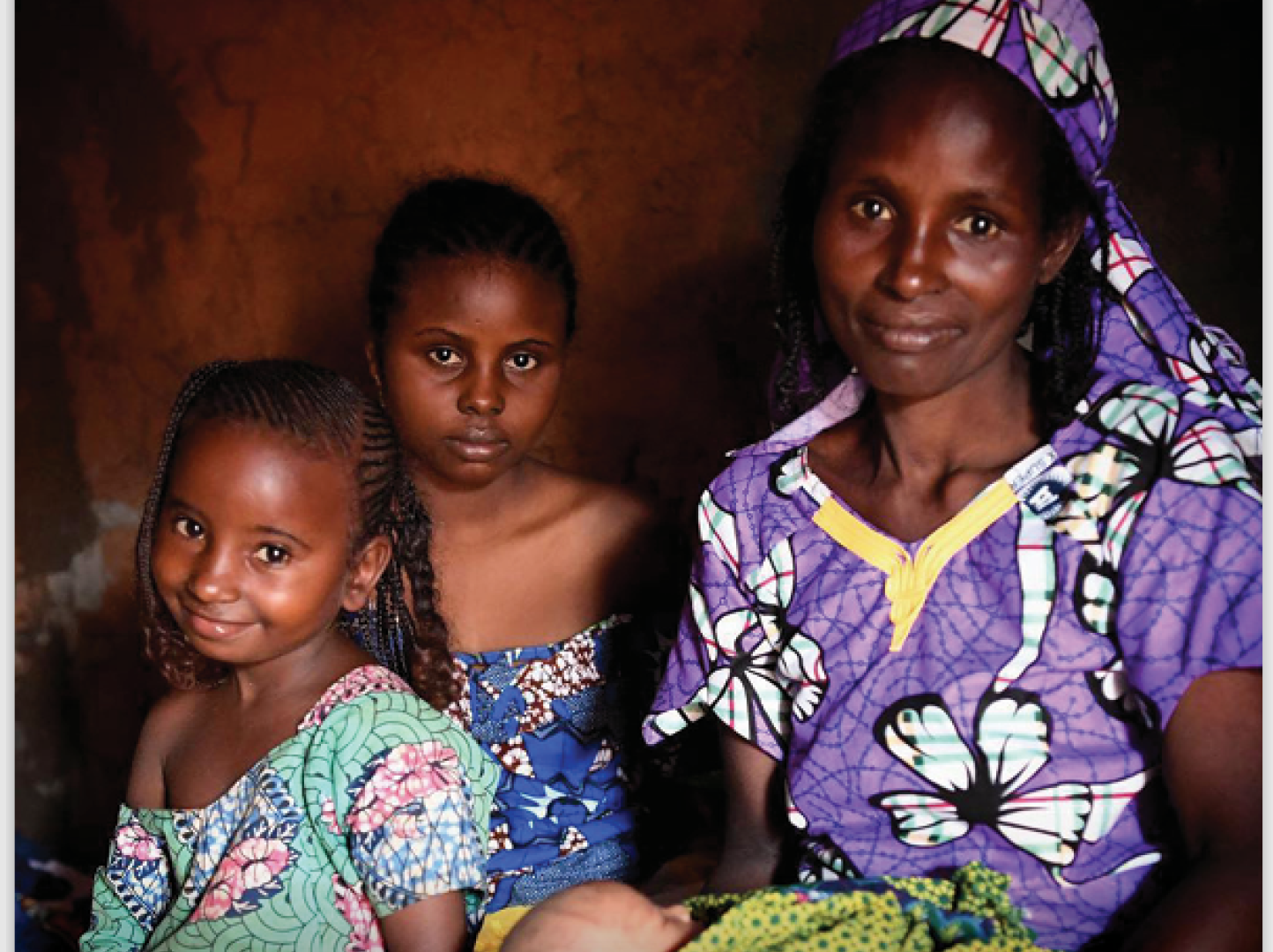
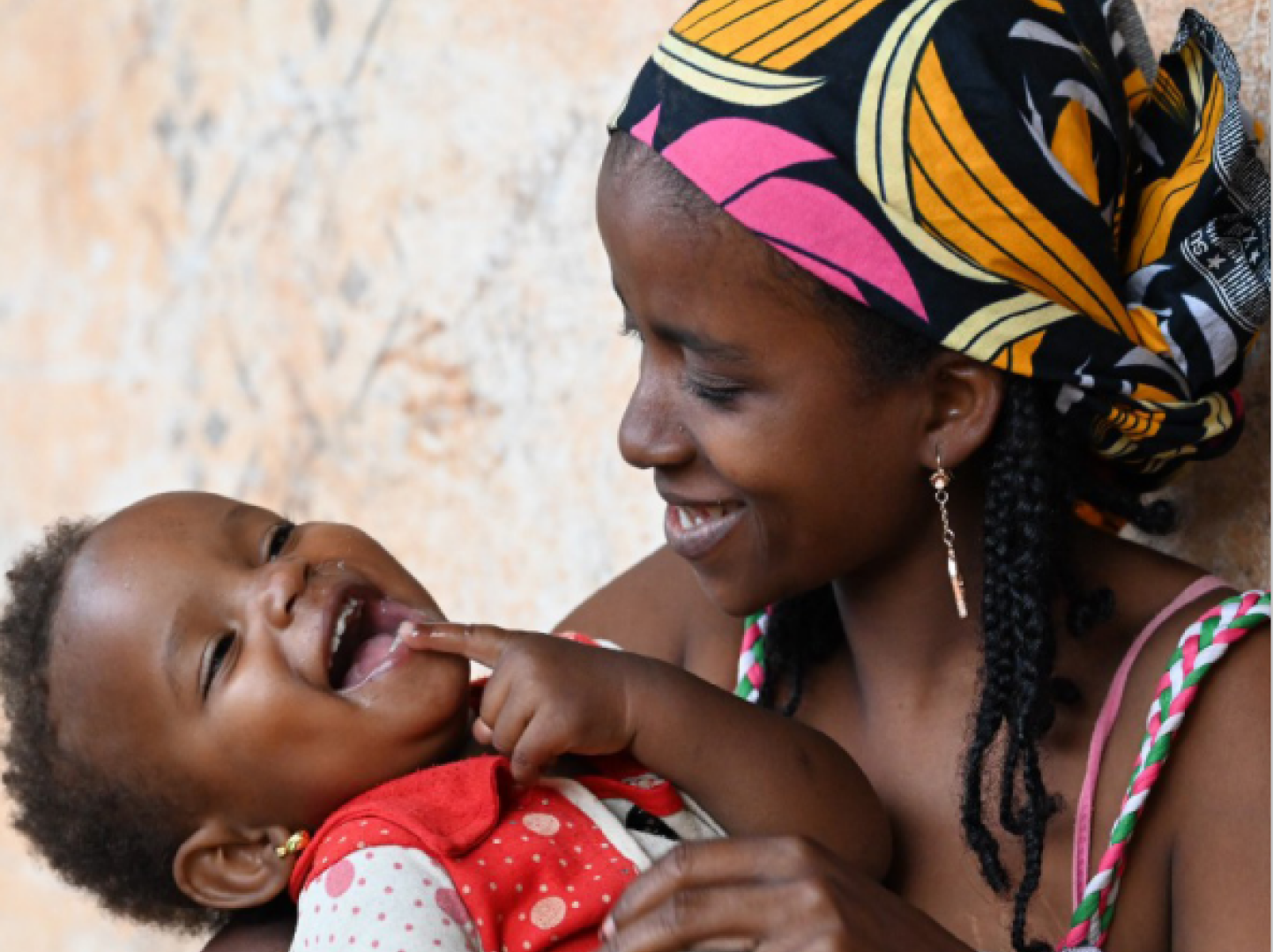
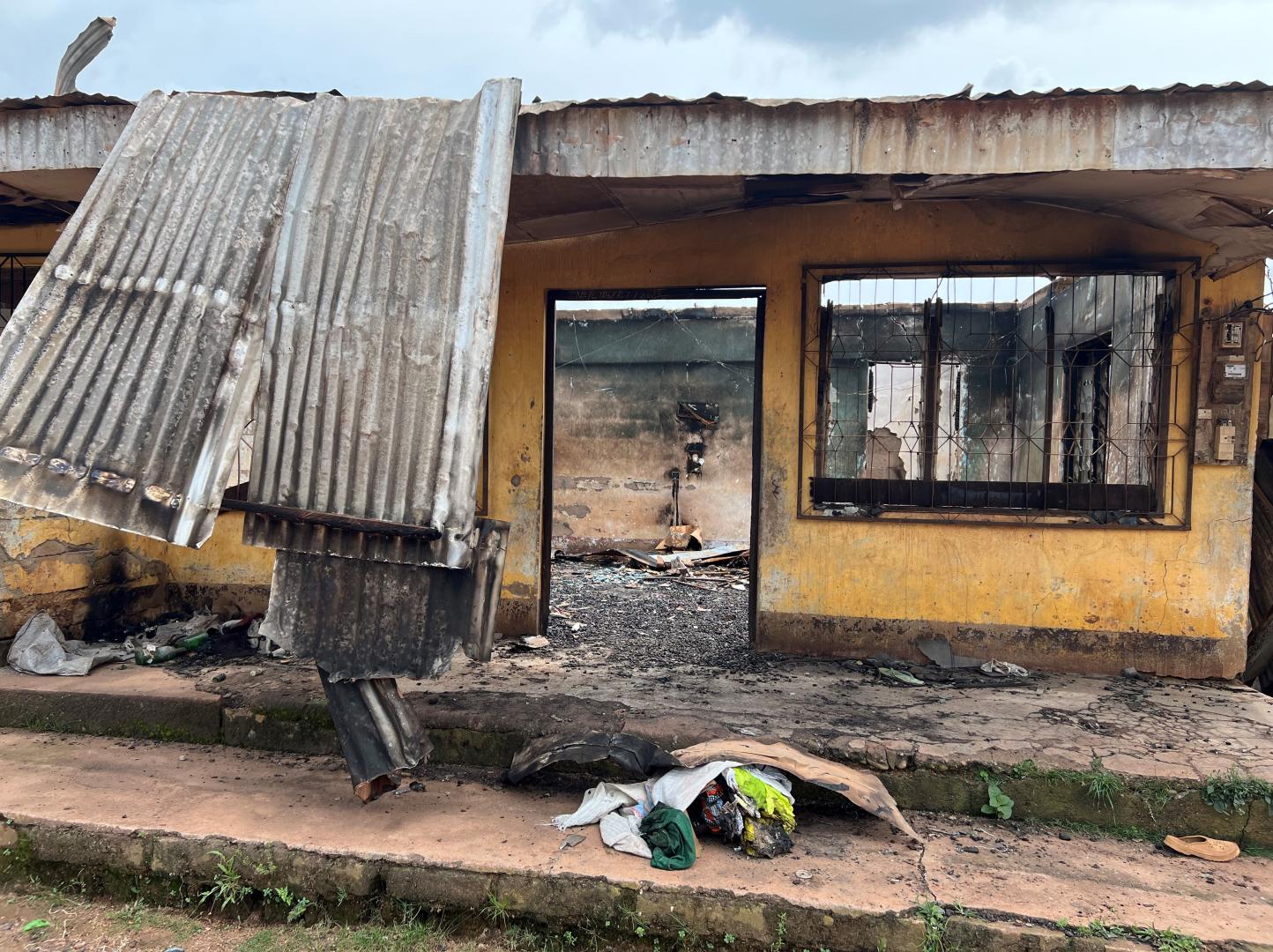
Resources
11 December 2023
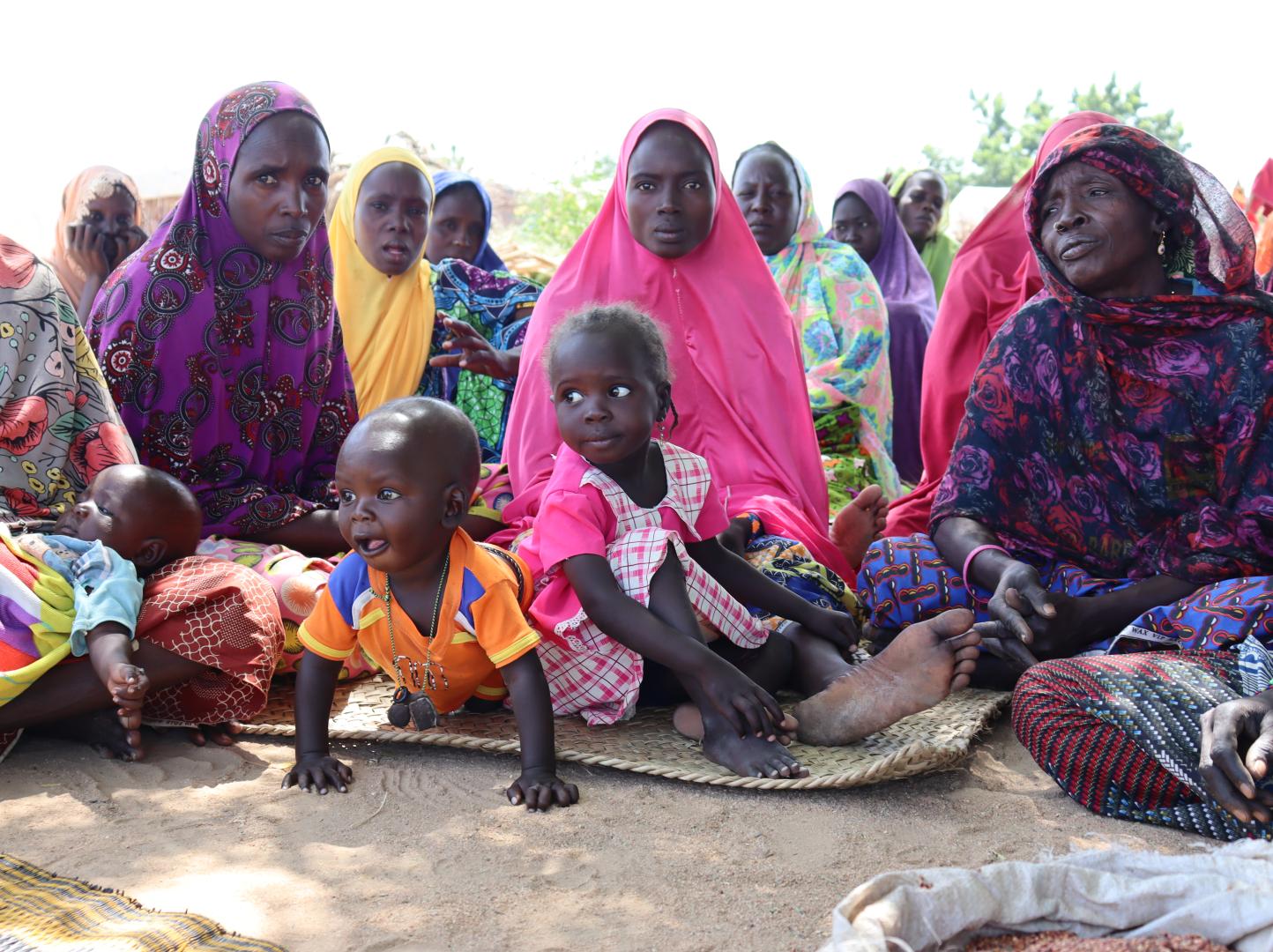
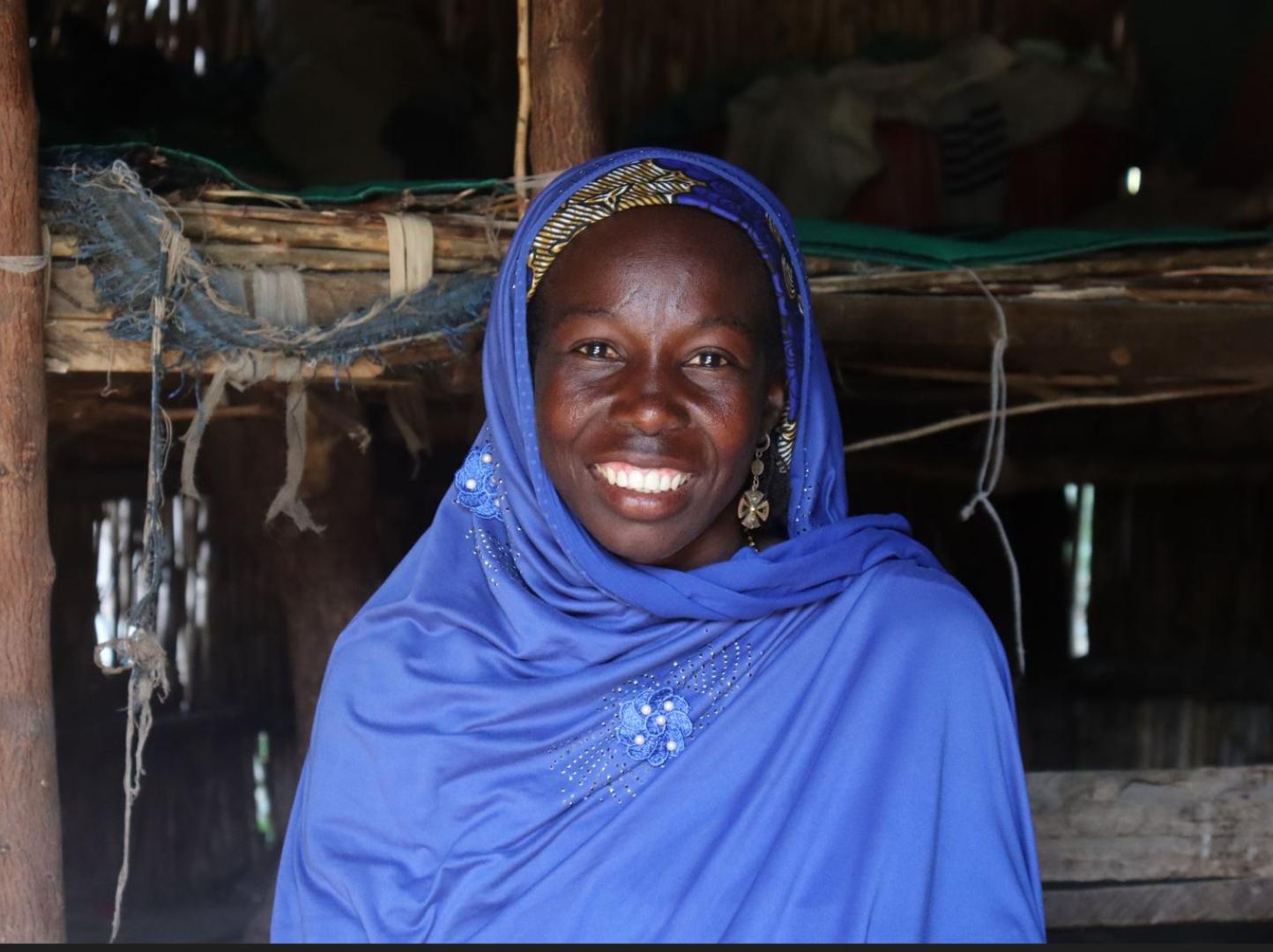
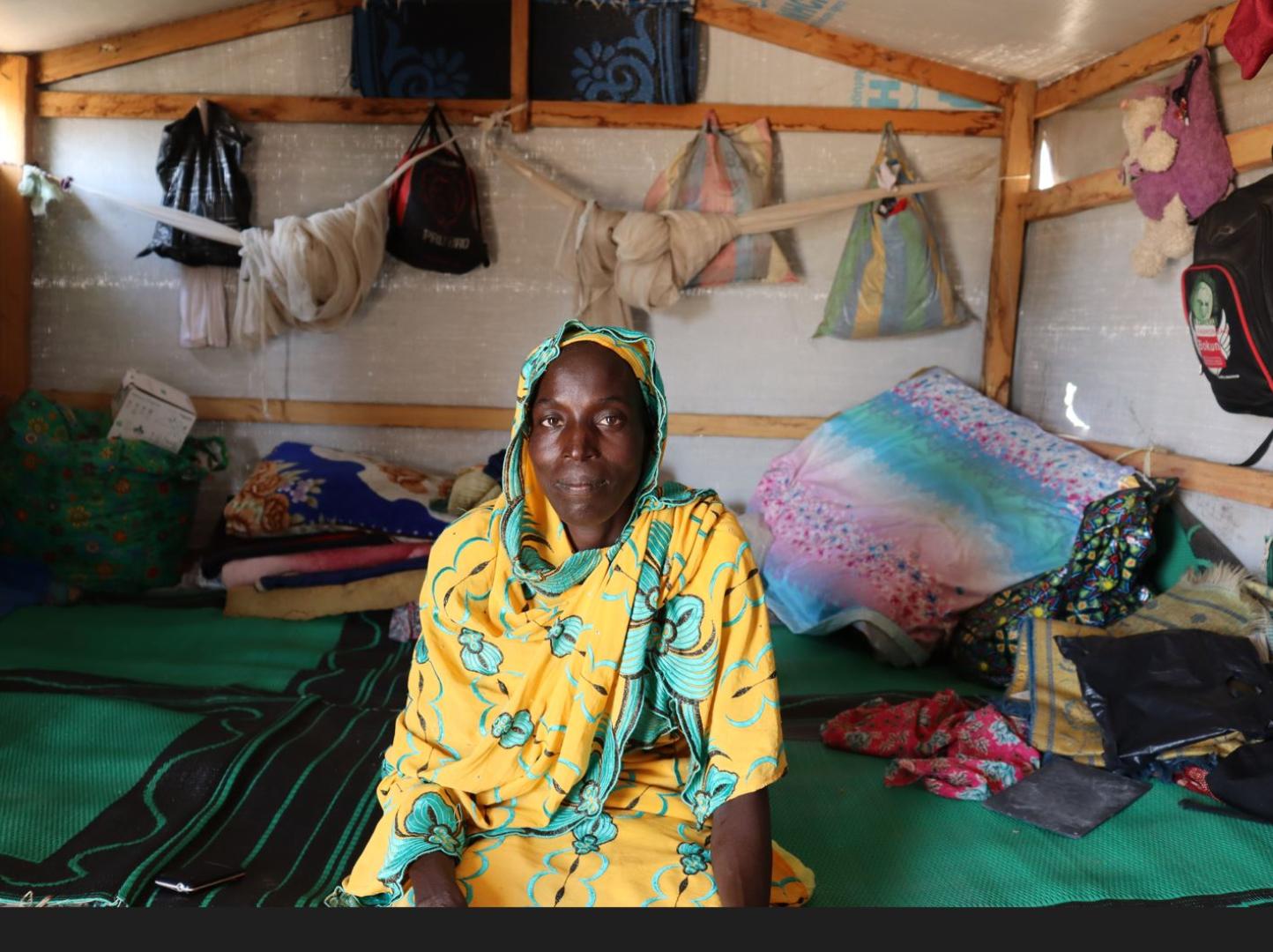
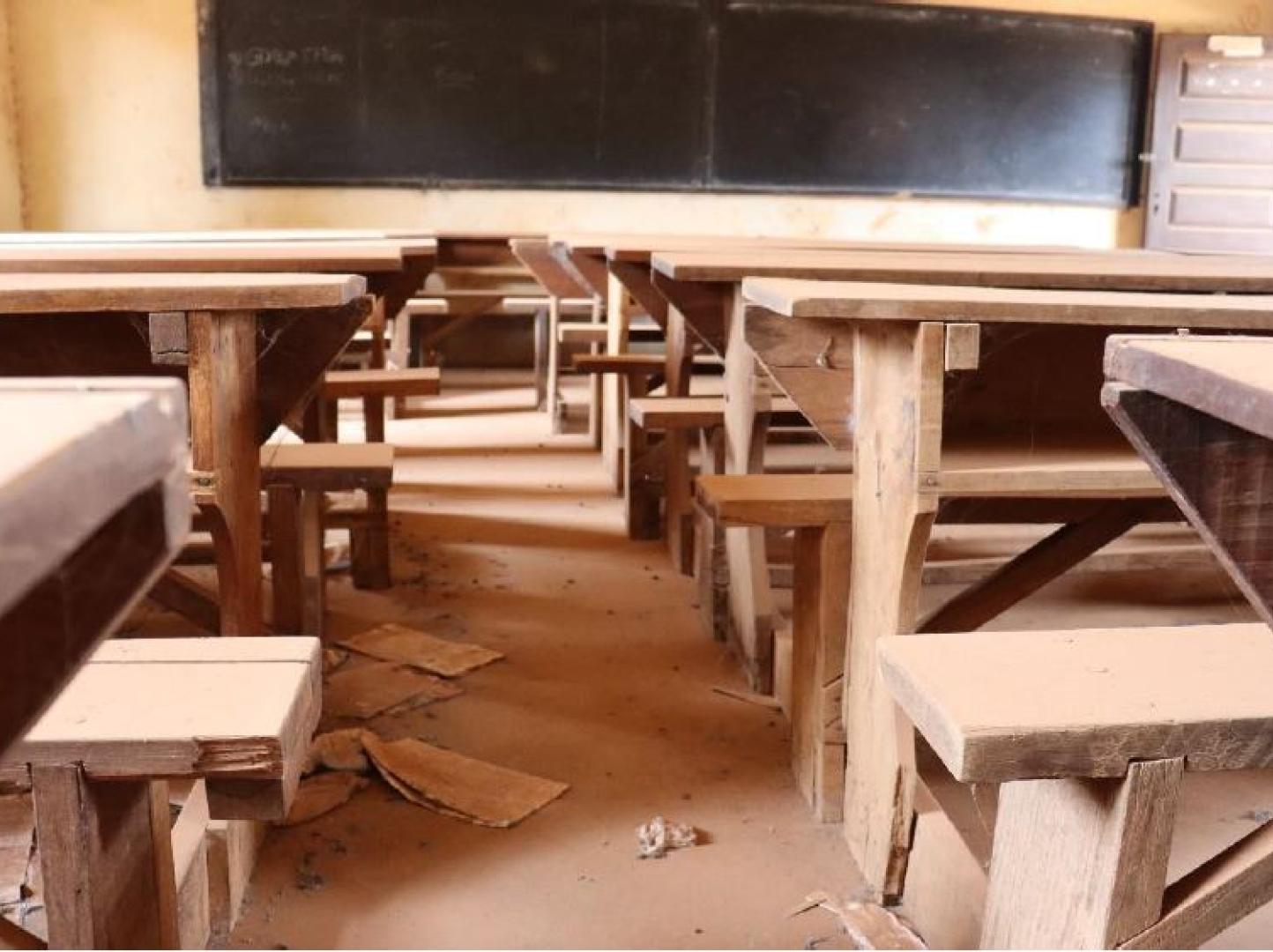
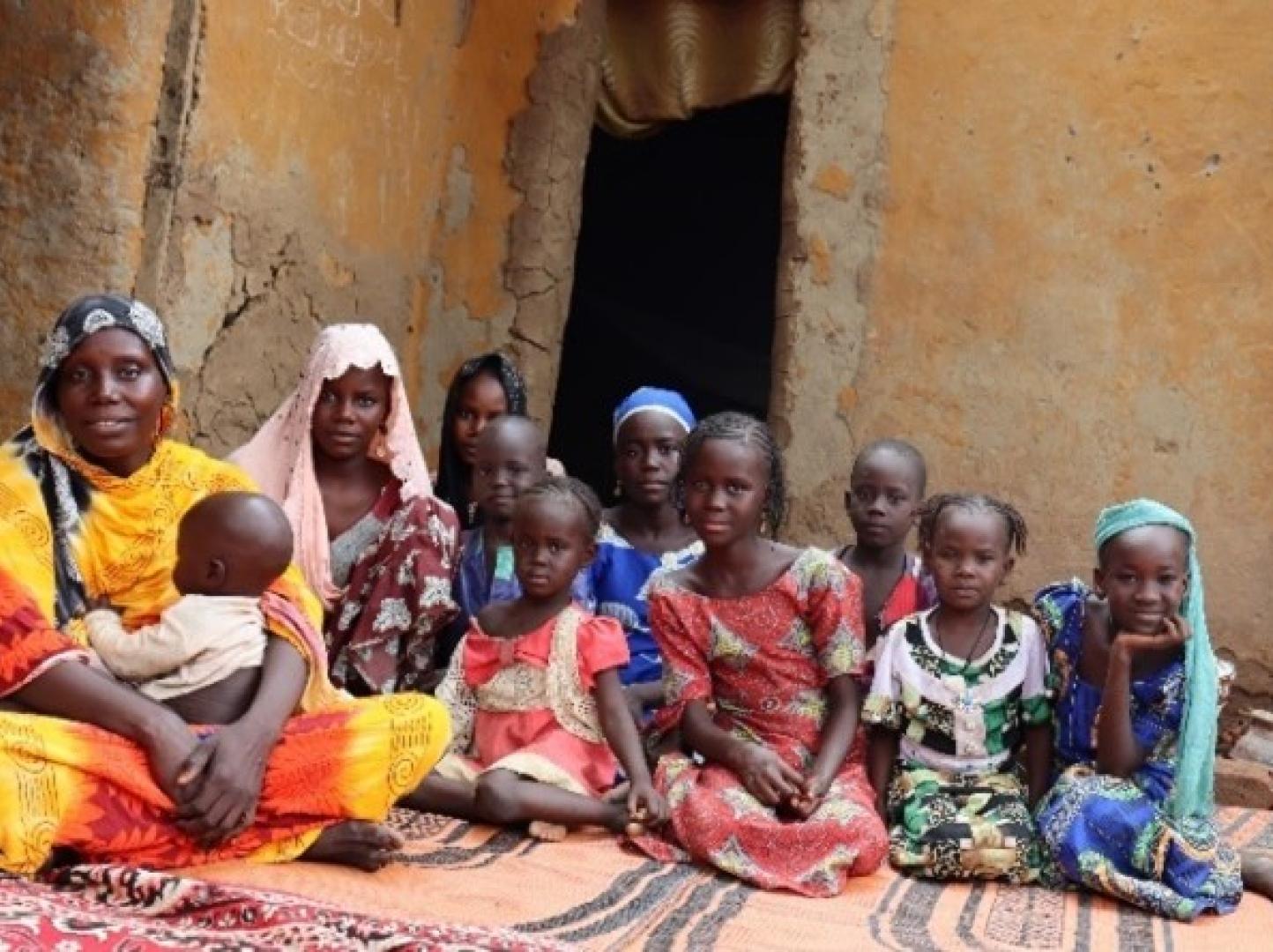
1 / 11